Keeping Roofing Work Safe
Safety on a roof starts before anyone climbs one. Working at heights, working with heavy materials, and working in weather all carry real risks. This page is for homeowners who want to know what safe roofing and siding work looks like, how to spot a contractor who takes it seriously, and what winter weather can do to an unprepared roof. We wrote it because the contractors we recommend all share one unbreakable rule: a job is never worth someone's life.
Winter Weight and Ice on Your Roof
Massachusetts gets heavy snow, and a roof that has not been built for that snow can fail. Ice dams—thick ridges of ice at the eave that back water up under the shingles—are common in New England, and they cause thousands of dollars in damage every winter. Understanding what causes them, and what stops them, puts you in a position to protect your house before a problem starts.
Additional resources
- Building Science Corporation, BSD-135: Ice Dams — explains what causes ice dams (too little insulation, air leaks, heat in the roof space, uneven snow) and the three ways to stop them.
- U.S. Department of Energy Building America Solution Center, Construct Roofs and Attics for Ice Dam Prevention — the construction side: air sealing the ceiling, insulating the attic and ventilating the roof.
What Safe Roofing Looks Like
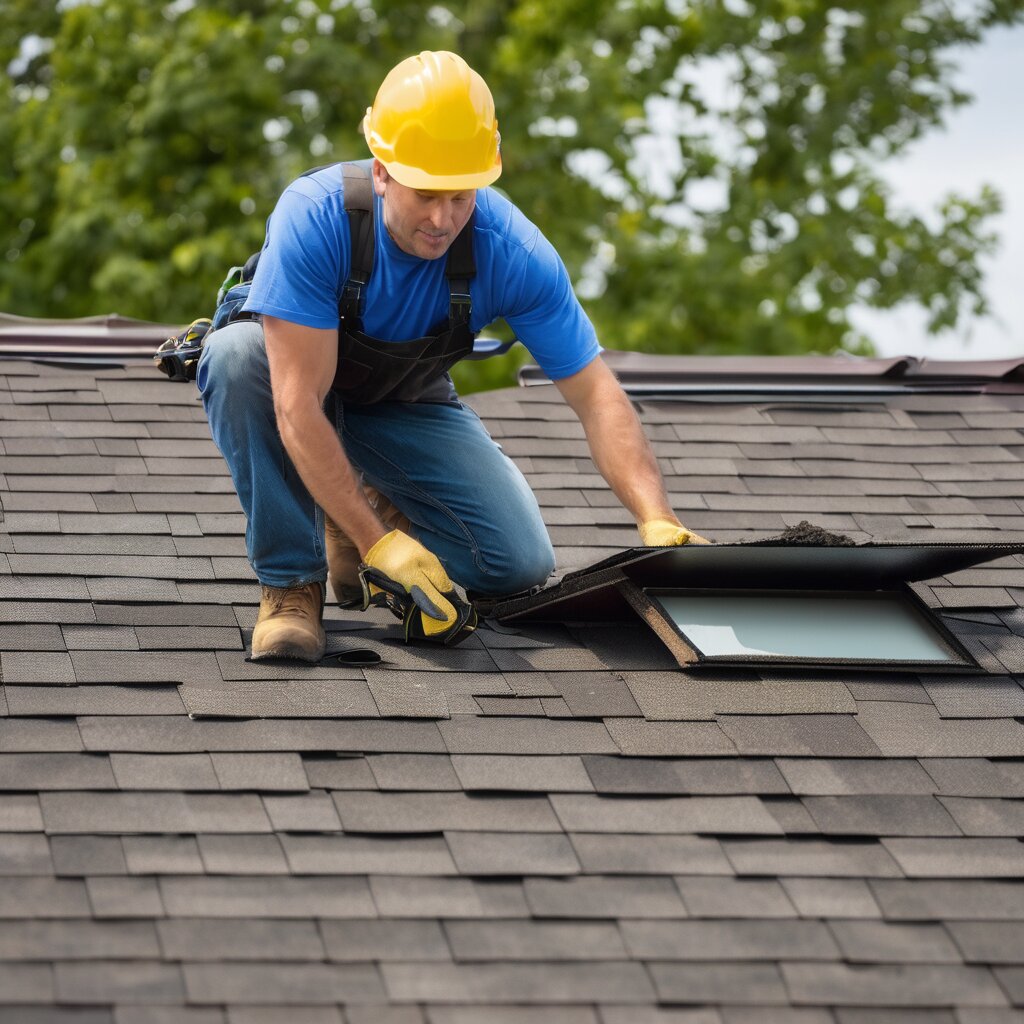
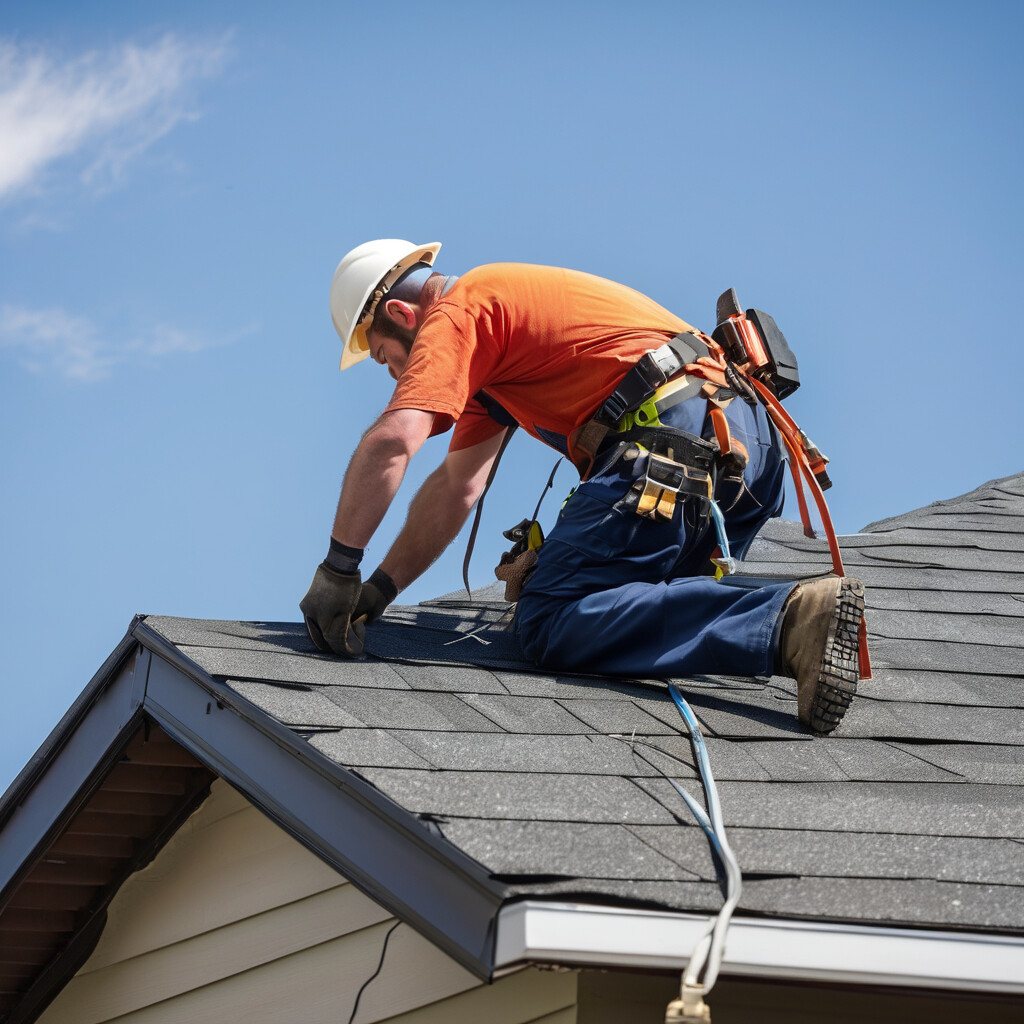
A contractor working safely on a roof wears a harness tied off to a solid anchor point—not just attached to a rope. Every person on the roof wears a hard hat. Ladders are positioned at a three-to-one angle: for every three feet of height, the base sits one foot away from the wall. No shortcuts, no exceptions, no "we have done this a thousand times." The contractors we recommend treat safety the same way they treat their warranty: as a line item you do not negotiate on. If you call someone to give you an estimate and you see workers on your roof without harnesses, or without hard hats, that is the signal to stop the job and call someone else.
The Details That Keep You Safe
Insurance and workers' compensation coverage are not optional. If a roofer is injured on your roof and has no workers' comp, you can be held liable for their medical bills. A legitimate contractor carries proof of both, and they will show it to you without hesitation. Written estimates with a timeline and warranty terms let you compare apples to apples. Never pay in full before the work is done, and never pay cash—a paper trail protects you. A licensed contractor means the state has checked their work and they are bonded. These details sound boring, but they are exactly what separates a safe job from one where corners get cut.