What the Materials Actually Do
"The material is only half the story—the other half is how it was installed and what weather it's weathered since."
That observation cuts across every conversation we have about roofing and siding. Pick the best material on earth, install it carelessly in November when temperatures are dropping, and you have a job you will regret. Pick a modest material, install it in July with care, and seal it properly, and it can outlast a premium job done wrong. The reviews and observations gathered here reflect that reality.
How We See What Works
We gather observations from contractors and homeowners across Massachusetts who have lived with these materials through winters, humid summers and the salt air of the coast. We talk with people five, ten and fifteen years into their jobs—when real problems show up. We look at what fails early and what lasts. This is not a laboratory test; it is what happens when roofing and siding actually get old.
We focus on New England installations specifically. A material that works well in dry climates can fail quickly here, where freeze-thaw cycles, ice dams and heavy seasonal moisture are facts of life. We ask about the jobs people remember as successes and the ones they regret. We ask contractors what they see when they remove old roofs and siding—where the moisture went, which edges held firm, which seals failed first. That evidence, gathered from dozens of installations and dozens of years of observation, is what guides what we say about any product or method.

What Comes Up Again and Again
Three problems repeat across roofs and siding. First: water gets in where it should not—at flashing, along seams, where trim meets the wall. Second: ice dams form every winter on roofs without enough insulation or air sealing. Third: the material itself is only part of the cost; labour, timing and the other trades matter more than most homeowners expect. A cheap roof installed in October lasts differently than the same roof installed in June. A siding job planned around window replacement costs less than one done alone. These patterns hold regardless of the material you pick.
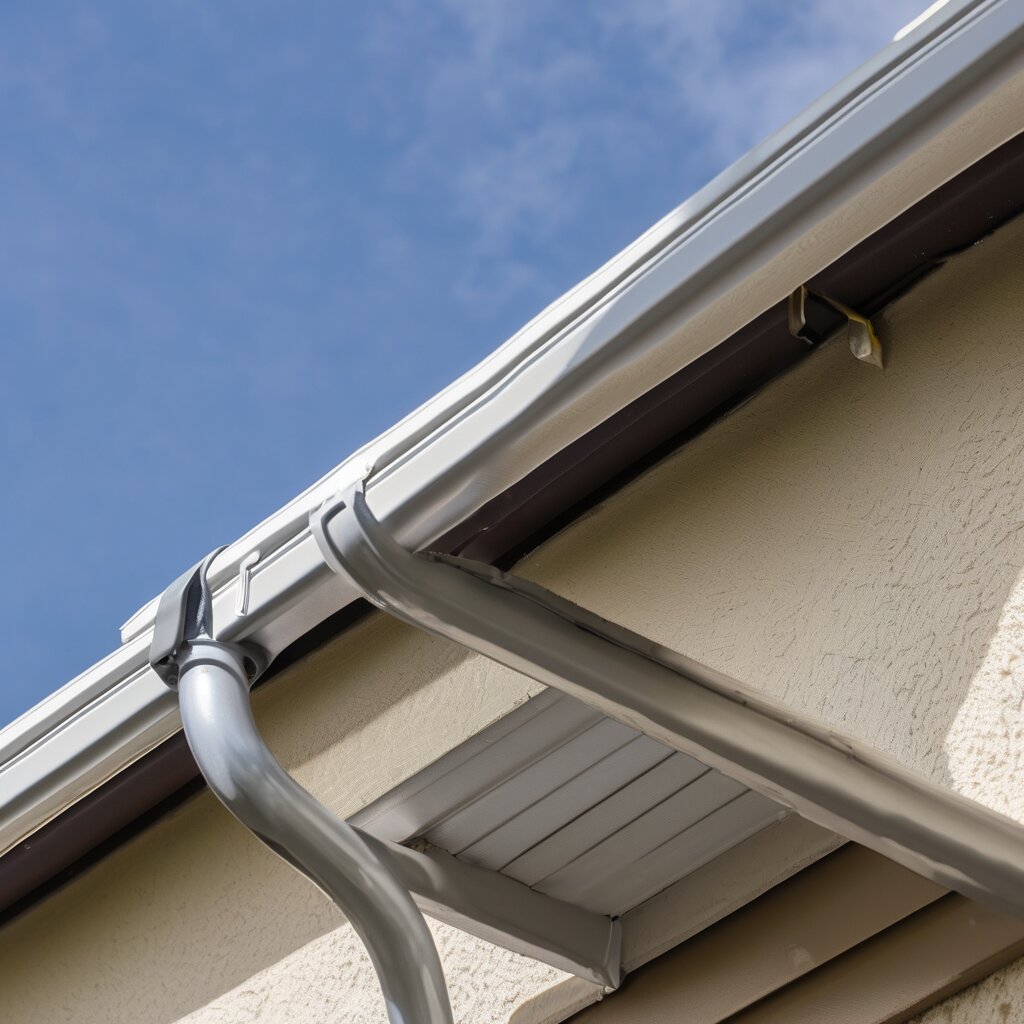
A fourth surprise comes up often: homeowners underestimate how much adjacent work affects their job. A roof leak may have started when gutters were not cleaned after a contractor left the site. Siding failures sometimes trace back to a gutter system that was never attached properly. Condensation inside attics ruins siding from within. These are not the material's fault, but the material gets blamed. The jobs that survive longest are the ones where someone did the neighbour trades right and checked them after, not just the shiny product on top.
A Few Numbers That Matter
These figures come from what contractors and homeowners report across our conversations, and from industry guidance on material lifespan. They matter because they shift what to look for when comparing products and quotes.