Equipment Questions
What You Should Know About Materials
- What is the difference between asphalt shingles and architectural shingles?
- Asphalt shingles are the most common roofing material in North America. Architectural shingles (also called dimensional shingles) are a premium version of the same material—they are thicker, have a textured surface that mimics the look of wood or slate, and typically last longer, 25 to 30 years rather than 20 to 25. Both use asphalt and fiberglass, but architectural shingles contain more of both and cost 15 to 25 percent more. If you are replacing a roof that will last another 25 years on a house you plan to stay in, architectural shingles are worth the money.
- Should I choose vinyl or fiber cement siding?
- Vinyl siding is less expensive and easier to maintain—it does not need painting and resists rot. Fiber cement siding (like Hardie board) is more durable, looks more like traditional painted wood, and lasts 25 to 30 years compared to vinyl's 20 to 40 years depending on climate and maintenance. Fiber cement is heavier and requires skilled installation. Most siding questions turn on how the product is installed and looked after, more than on the product name alone. For the detail on choosing, installing, cleaning or repairing vinyl siding, see the Vinyl Siding Resource Library at the Polymeric Exterior Products Association.
- What kind of gutters should I choose?
- Seamless gutters are made from aluminum or copper and are custom-fit to your house at installation. They have fewer seams than sectional gutters, so there are fewer places for water to leak out. Seamless gutters cost more than sectional ones, but they last longer (20 to 30 years) and require less maintenance. Copper is beautiful and very durable but expensive. Aluminum is the most common choice—affordable, lightweight, and effective in cold climates. Both should be sized correctly for the roof area they drain and installed with proper slope and secure fasteners.
- Are vinyl windows as good as wood windows?
- Vinyl windows are energy-efficient, require no painting, and resist rot and water damage. Wood windows look traditional and beautiful but require regular painting and maintenance. Vinyl windows typically last 20 to 40 years. If you are choosing windows for an older house and want to preserve its appearance, wood-clad windows (vinyl on the outside, wood on the inside) are a good compromise. Whatever you choose, proper installation is critical—a poorly installed window will leak no matter what material it is made of.
- What is the point of gutter guards?
- Gutter guards reduce the amount of leaves and debris that clog your gutters, but no guard removes it entirely. Mesh guards let small particles through. Solid covers direct water into the gutter but can direct it poorly if installed incorrectly. The real value of gutter guards is that they reduce how often you need to clean your gutters, from several times a year to perhaps once a year. If you have a lot of trees overhead, guards are worth the cost. If your gutters are easy to access and you are willing to clean them regularly, you may not need them.
Roofing Materials: Lifespan and Cost
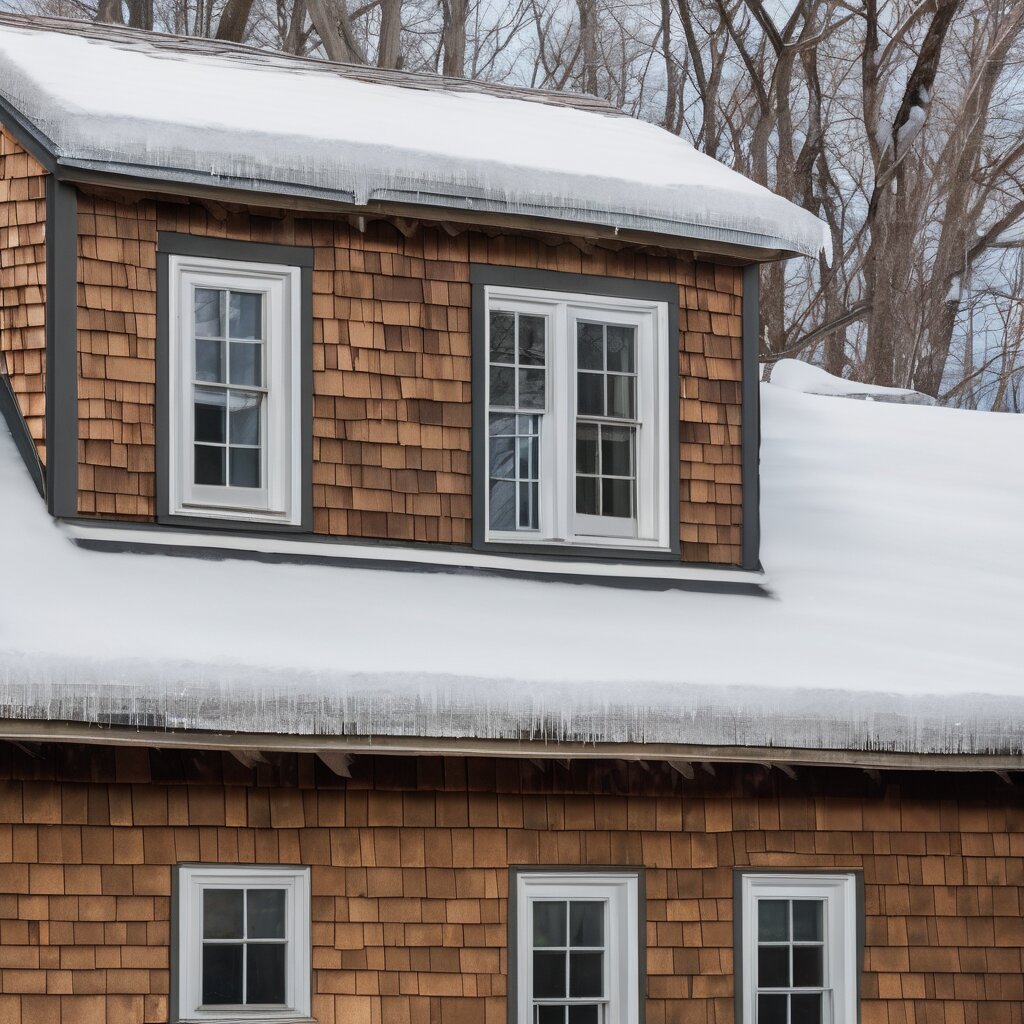
The roofing material you choose affects both how long your roof lasts and what you pay. Asphalt shingles are the standard on most New England homes, lasting 20 to 25 years on average, though architectural shingles can stretch that to 30 years with proper ventilation and maintenance. Metal roofing (standing seam) can last 40 to 70 years but costs significantly more upfront. Cedar shake looks beautiful but requires more maintenance and costs more than asphalt. Whatever material you choose, proper installation and attic ventilation are as important as the shingles themselves. An improperly ventilated roof will fail early, no matter the material quality.
Understanding Shingles and Installation
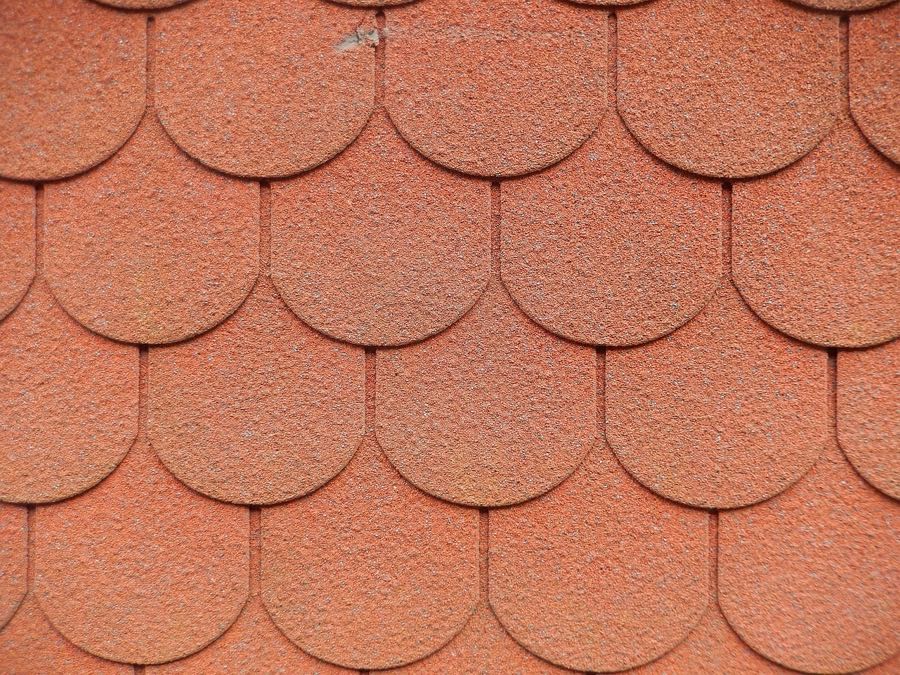
The most common question we hear is whether shingles need to be replaced or if they can be repaired. A few missing or damaged shingles can be replaced individually, but if damage is widespread across the roof, a full replacement makes more sense than patching. Knowing what to look for—curled edges, bald spots where the granules have worn away, or daylight through the attic—helps you understand when your roof is truly failing. This image shows the kind of detail a professional roofer looks at when deciding whether your roof can be repaired or needs replacement.
When to Replace Versus Repair
The 25 percent rule is a practical guideline: if damage covers 25 percent or more of your roof, replacement makes more sense than repair. If damage is isolated to one or two areas, repair is usually the right call. A professional roof inspection will tell you which approach makes sense for your situation. In New England, winter weather—snow load, ice dams, and freeze-thaw cycles—can accelerate roof aging, so older roofs should be inspected every few years.